


Crafting Unique Creations: The Collaborative Journey of Custom Furniture Making
- karabo masinamela
- Feb 7, 2025
- 4 min read

Custom furniture making is an engaging art form that marries craftsmanship with personal creativity. Unlike mass-produced furniture, custom pieces are thoughtfully designed to suit individual needs, preferences, and spaces, resulting in truly unique creations. This post explores the collaborative journey between a furniture maker and a client, highlighting the intricate process of designing and creating one-of-a-kind furniture pieces.
The Initial Consultation
The first step in the custom furniture making process is the initial consultation. In this meeting, the client and the furniture maker discuss ideas, needs, and preferences. This step is essential, as it sets the groundwork for the entire project.
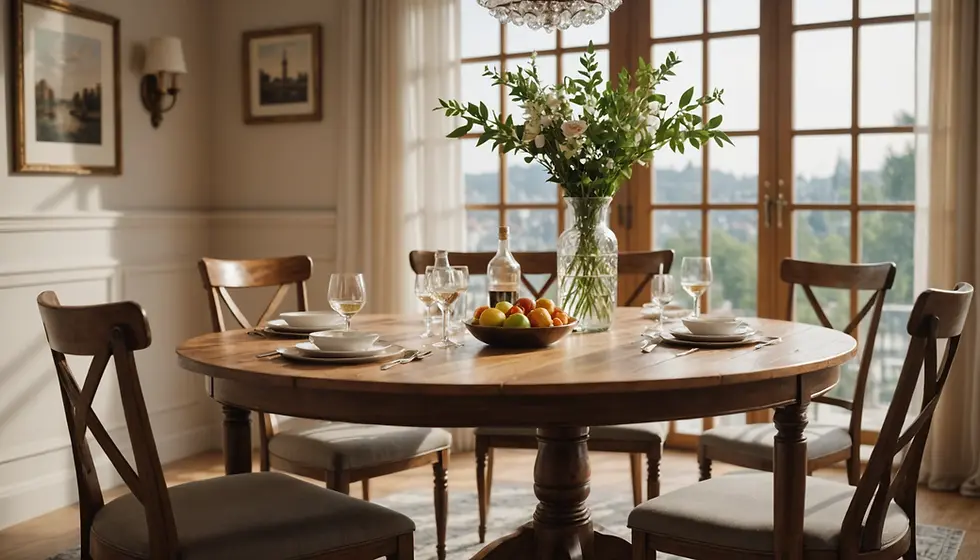
Clients often come with a vision inspired by style guides, architectural elements, or personal experiences. For example, a client may want a dining table that can accommodate their family of six but also fits into a small apartment. The furniture maker must listen closely, ask thoughtful questions, and gather in-depth information to craft a piece that mirrors the client’s style and functionality requirements.
This initial meeting may happen in the client's home, offering the maker a chance to see the space. Understanding dimensions, existing decor, and lighting conditions provides valuable insights that can shape the design process.

Design Development
Once ideas are collected, the furniture maker moves on to design development. This stage includes brainstorming, sketching, and choosing materials. Initial sketches and mood boards help visualize concepts while seeking client feedback.
For designers using technology, 3D modeling software can be key during this phase. A digital representation allows clients to visualize the piece's final look, paving the way for necessary adjustments before construction. For instance, if a client feels a certain chair may be too wide for their space, it is simple to make changes digitally.
Year after year, engagement during this phase tends to be beneficial. The maker carefully works to create designs that resonate with the client while staying true to their artistic vision. Collaborating on unique features like size, shape, color, and materials ensures the client feels involved and confident in the developing project.

Material Selection
Selecting materials can profoundly impact the look, durability, and feel of the furniture. Quality materials not only enhance appearance but also ensure longevity. Clients often explore options encompassing various woods, fabrics, and finishes.
Some commonly used woods include:
Oak: Known for its strength and durability, perfect for heavy-use items.
Walnut: Valued for its rich color and grain, ideal for luxury furniture.
Cherry: Offers a warm tone that deepens with age.
Maple: Popular for its versatility and smooth grain, often used for modern designs.
When it comes to upholstered items, options range from luxurious leathers to vibrant fabrics. For example, a high-end leather may be chosen for a sofa that can withstand daily use, while a softer cotton fabric may suit a decorative throw pillow. The furniture maker helps guide clients through selections, discussing durability and maintenance to ensure that materials align with the overall design intentions.
Construction Phase
With finalized designs and selected materials, the construction phase begins, marking the transformation of concepts into reality. Depending on complexity, construction may take from a few weeks to several months.
Craftsmanship techniques such as joinery, sanding, and finishing are critical during this stage. Each detail can influence the final quality and appearance of the furniture. For example, a well-crafted joint can ensure stability, while a smooth finish can enhance the wood's natural beauty.
Clients are often encouraged to stay informed throughout this phase. Many choose to visit the workshop to witness the progress, adding excitement to the experience. Communication remains open, enabling clients to address concerns and suggest adjustments as needed.
Finishing Touches
Once construction concludes, finishing touches commence. This step includes applying stains, paints, or protective coatings. A quality finish boosts both the aesthetics of the piece and its resilience against wear.
Additionally, the maker may finalize upholstery or decorative elements. Clients often experience joy as they see their custom furniture come together, making this a significant moment in the creation journey.
Delivery and Setup
The delivery and setup phase signifies the journey's conclusion. The furniture is meticulously transported to the client's home and assembled according to their preferences.
Most often, a professional delivery service ensures careful handling during transport. The furniture maker may assist with the setup, ensuring every detail is accurate while providing maintenance tips for the client.
For many, the sight of their finished product in their home is gratifying. They now possess a distinctive piece that meets their needs and enhances their personal style.
The Journey of Creation
The custom furniture making process is an enriched partnership that shapes ideas into tangible works of beauty. From initial discussions to final delivery, the collaboration between the client and furniture maker is essential in producing exceptional, personalized furniture.
Owning custom-made furniture transcends mere functionality. It embodies personal taste and narrative. Each piece is a story—a vision that unfolds into a beautifully crafted creation cherished for years.
For anyone considering an investment in custom furniture, remember that the process itself is as rewarding as the final product. Embrace this creative journey to crafting pieces that truly elevate your living space.
Comments